
WOMEN AT THE MET: WHEN THE BODY BECOMES THE CANVAS
Beyond the silhouette, a few standout looks proved that fashion can still transform into living art.
WORDS BY: LEISA WINTER AND AVERY CARL
If interpretation is the foundation of the Met Gala, then this year’s red carpet revealed a clear pattern among many of its female attendees. Much like the menswear, the dominant approach centered on how fabric lays on the body—sleek silhouettes, form-fitting gowns, and an emphasis on draping that highlighted shape over concept.
Across the carpet, a noticeable uniformity emerged. Suki Waterhouse, Cara Delevingne, Chase Sui Wonders, Gigi Hadid, and Charli XCX all arrived in variations of the same idea: elongated, body-skimming gowns that, while elegant, felt confined to a narrow interpretation of both the theme and the body itself. The result was visually cohesive—but also limiting, particularly across such a small range of silhouettes.
But where some chose restraint, others embraced imagination.
Looks from Jordan Roth, LISA, and Kylie Jenner leaned into the theme more literally, incorporating elements of the human form and structure into their designs. These weren’t just dresses—they were extensions of the body, playing with dimension, illusion, and presence.
Elsewhere, the focus shifted toward art itself—using the body not just as a form, but as a surface. Sabrina Carpenter stood out with intricate film strip detailing, while Emma Chamberlain and Chase Infiniti brought painterly elements into their looks, blurring the line between garment and canvas. Janelle Monáe leaned into bold structure, continuing her legacy of redefining silhouettes, while Heidi Klum delivered a moment that felt almost sculptural—like a statue brought to life.
Then came the direct references. Rachel Zegler channeled The Execution of Lady Jane Gray, while Hunter Schafer drew inspiration from Mäda Primavesi, translating fine art into fashion with intention. Amy Sherald offered one of the most personal interpretations, referencing her own work, Miss Everything (Unsuppressed Deliverance)—a reminder that the relationship between art and fashion can be both historical and deeply individual.
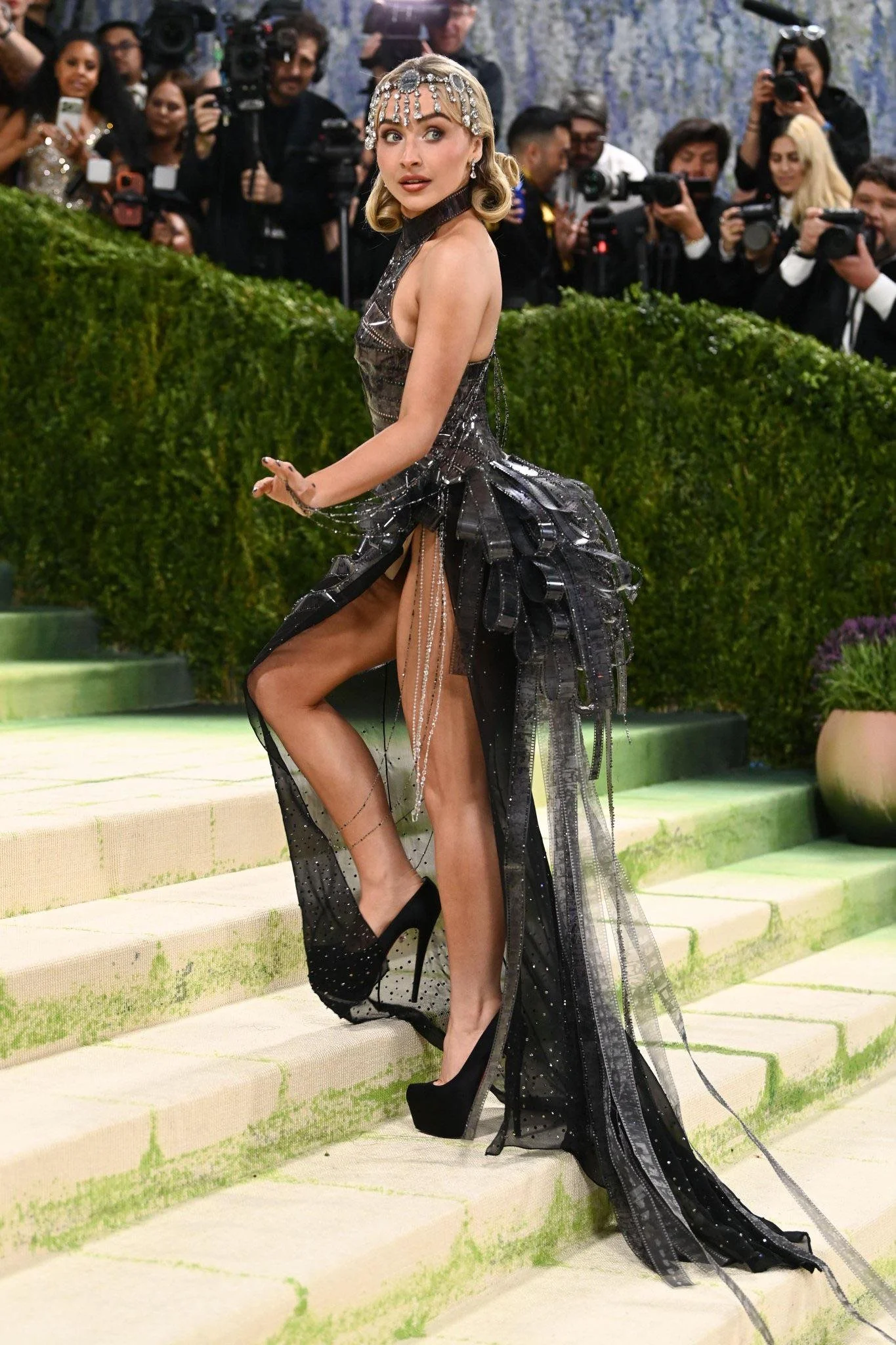
PHOTO: SABRINA CARPENTER IN DIOR - GETTY IMAGES
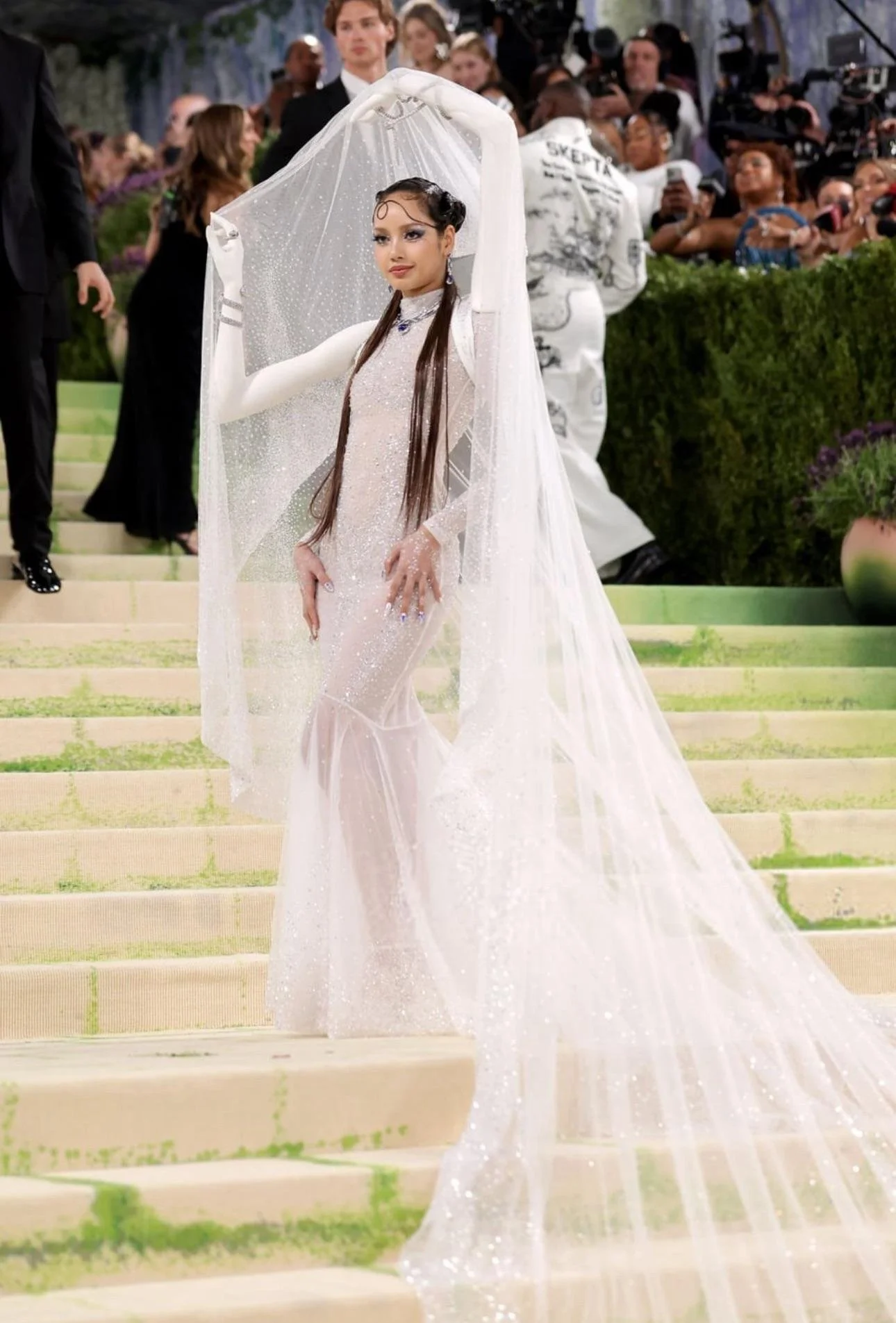
PHOTO: LISA IN ROBERT WUN - GETTY IMAGES
Among all the interpretations, a few rose to the top. Emma Chamberlain, Sabrina Carpenter, LISA, and Doechii delivered looks that didn’t just follow the theme—they expanded it. Each found a way to transform the body into something more: a canvas, a structure, a statement.
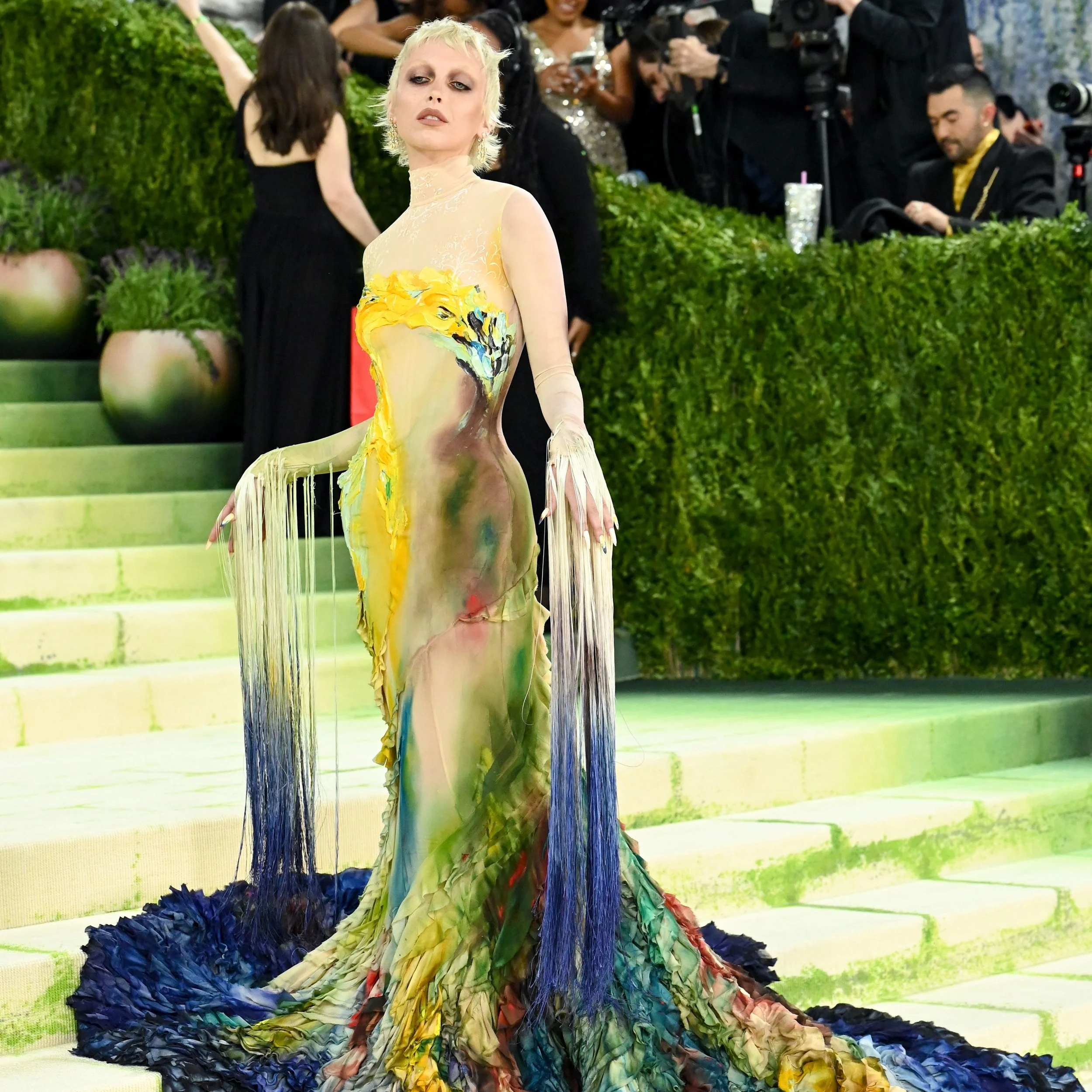
PHOTO: EMMA CHAMBERLAIN IN MUGLER - GETTY IMAGES
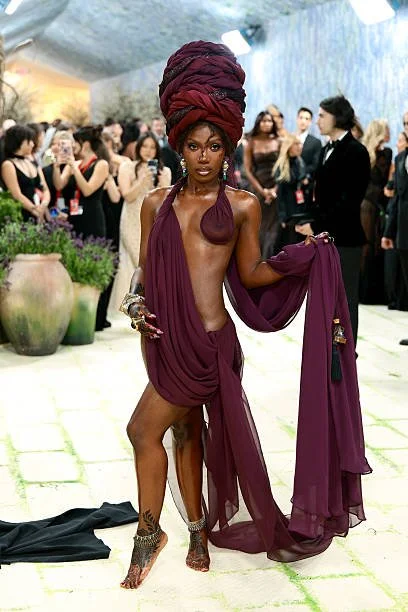
PHOTO: DOECHII - GETTY IMAGES
Honorable mentions go to Sabrina Harrison and Nichapat Suphap, who added to the growing narrative that fashion, when approached creatively, can still surprise.
Because while many chose to show how fabric lays on the body, the most compelling looks asked a different question: what else can the body become?
